Photography
Our photography captures real moments with an editorial eye. It reflects the diversity of our users and the energy of their lives, grounded in authenticity and elevated through composition and lighting.
Hardware



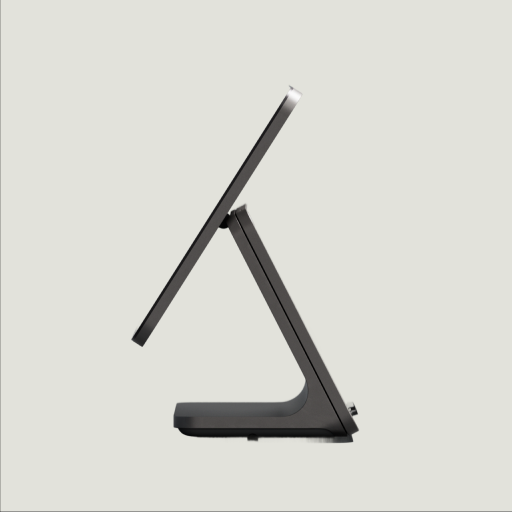

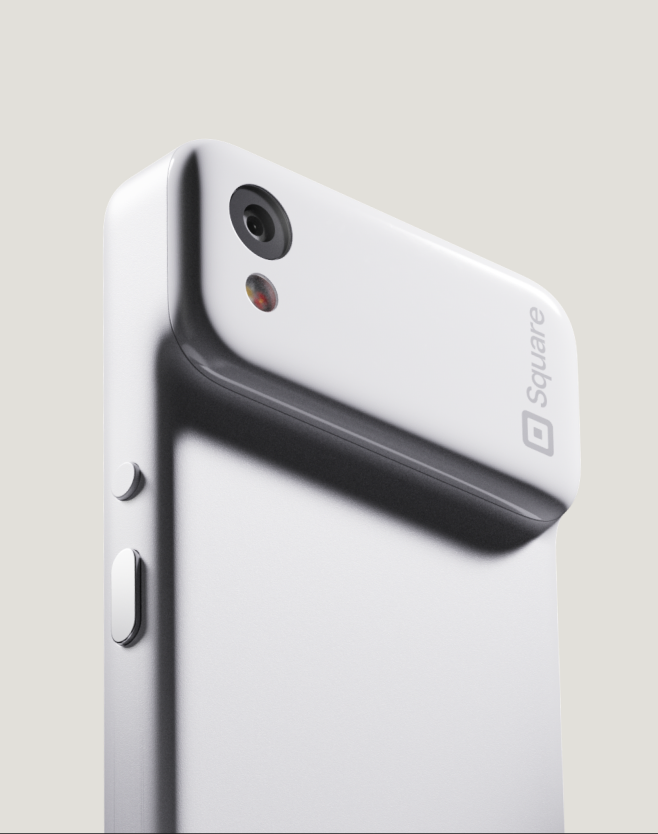



Functional
Functional compositions hero the product. Backgrounds stay simple, clean, and neutral, so the hardware itself carries the frame with nothing competing for attention.





Sellers
Principles
Four principles guide every seller photograph: images should be emblematic of the business, expressive rather than staged, vibrant with energy, and contextual to the world the seller operates in. Each comes with a litmus test to check whether a photograph is doing its job.
Emblematic
Reveal what makes each business unmistakably their own. Every photograph should reveal something true about the seller—their craft, values, personality, or point of view—capturing their business as a distinct world rather than a generic small business.
Expressive
Prioritize genuine moments over perfect moments. Whether candid or composed, images should feel intentional, characterful, and occasionally unexpected. Embrace playfulness, experimentation, and visual personality to bring warmth and individuality to a brand rooted in clarity and function.
Vibrant
Create energy through light, color, composition, and motion. Rich color should support the story—not overpower it. Images should feel alive, optimistic, and full of momentum while maintaining clarity and simplicity.
Contextual
Show the subject within the world they operate in. Capture meaningful environments and details that deepen the story of the subject, while adapting framing, composition, and visual complexity to support the experience—whether instructional, editorial, or campaign-driven.
If the logo disappeared, the viewer should still recognize the business has a unique identity.
The image should feel observed—not staged.
The eye should immediately know where to look.
The environment should explain something new about the subject.
What Not To Do
Imagery should avoid stock moments, perfection for its own sake, decoration without purpose, and style without structure. Look for stories that are specific to the seller, leave room for personality and spontaneity, and ensure every creative choice strengthens the story with a clear focal point and intentional framing.
Avoid stock moments.
Look for stories that couldn’t belong to anyone else.
Avoid perfection for its own sake.
Leave room for personality, texture, and spontaneity.
Avoid decoration without purpose.
Every creative choice—from styling and props to color and composition—should strengthen the story.
Avoid style without structure.
Create images with a clear focal point and intentional framing. Strong composition should lead the eye, while color and post-production enhance the photograph rather than define it.